Viktor Beck · 10 October 2026
Charting Permission Layers for Secure Multi-User Collaboration in Scalable Publishing Platforms
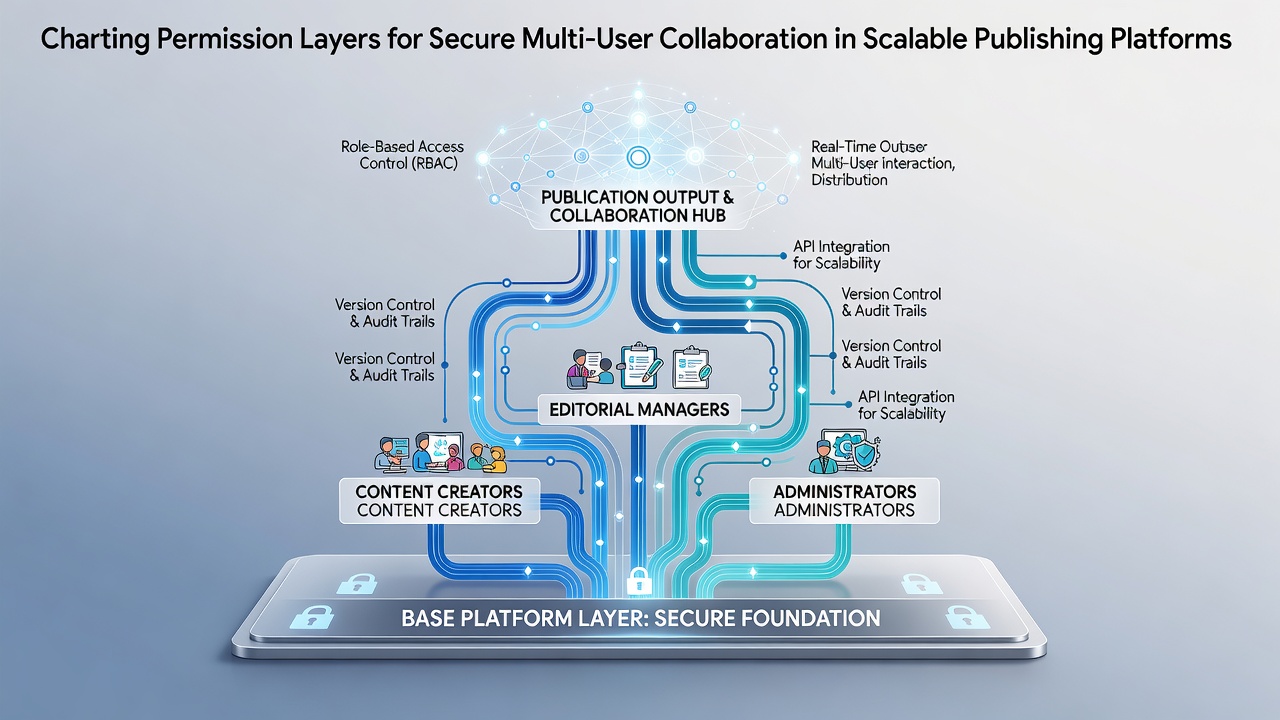
Permission layers form the backbone of secure collaboration inside scalable publishing platforms where multiple users edit, review, and publish content simultaneously. These systems assign access rights through structured hierarchies that separate tasks while protecting sensitive data, and researchers at institutions such as NIST have documented how role-based and attribute-based models reduce unauthorized changes in large deployments.
Teams working on shared documents need clear boundaries that prevent overlap yet allow efficient workflows. Data shows that platforms using layered permissions experience fewer conflicts during concurrent editing sessions, while organizations that skip detailed mapping often encounter version control issues that slow production cycles.
Defining Core Permission Structures
At the base level every platform establishes read, write, comment, and publish rights that administrators assign to individuals or groups. Observers note that these base rights combine into roles such as contributor, editor, reviewer, and owner, each carrying a distinct set of capabilities that scale across projects of different sizes. Studies from the National Institute of Standards and Technology indicate that mapping these roles to specific content types prevents accidental overwrites and maintains audit trails that regulators require in many industries.
Hierarchical layers sit above basic roles and allow inheritance, so a department head automatically gains rights granted to team members while retaining additional oversight functions. This structure reduces administrative overhead because changes at higher levels propagate downward without manual updates to every account.
Implementing Role and Attribute Controls
Role-based access control remains the most common starting point because it aligns with organizational charts that most teams already understand. Yet many platforms now layer attribute-based rules on top, granting or restricting access according to location, device, time of day, or content sensitivity. Evidence from recent implementations reveals that combining both models handles complex scenarios such as freelance contributors who need temporary elevated rights for specific campaigns.
Scalable environments demand automated policy engines that evaluate requests in real time rather than relying on static lists. Those who've studied large deployments find that policy engines cut response times during peak traffic periods while logging every decision for compliance reviews. In October 2026 several European research consortia released findings showing that platforms integrating dynamic attribute checks reduced policy violations by measurable margins compared with purely role-driven systems.
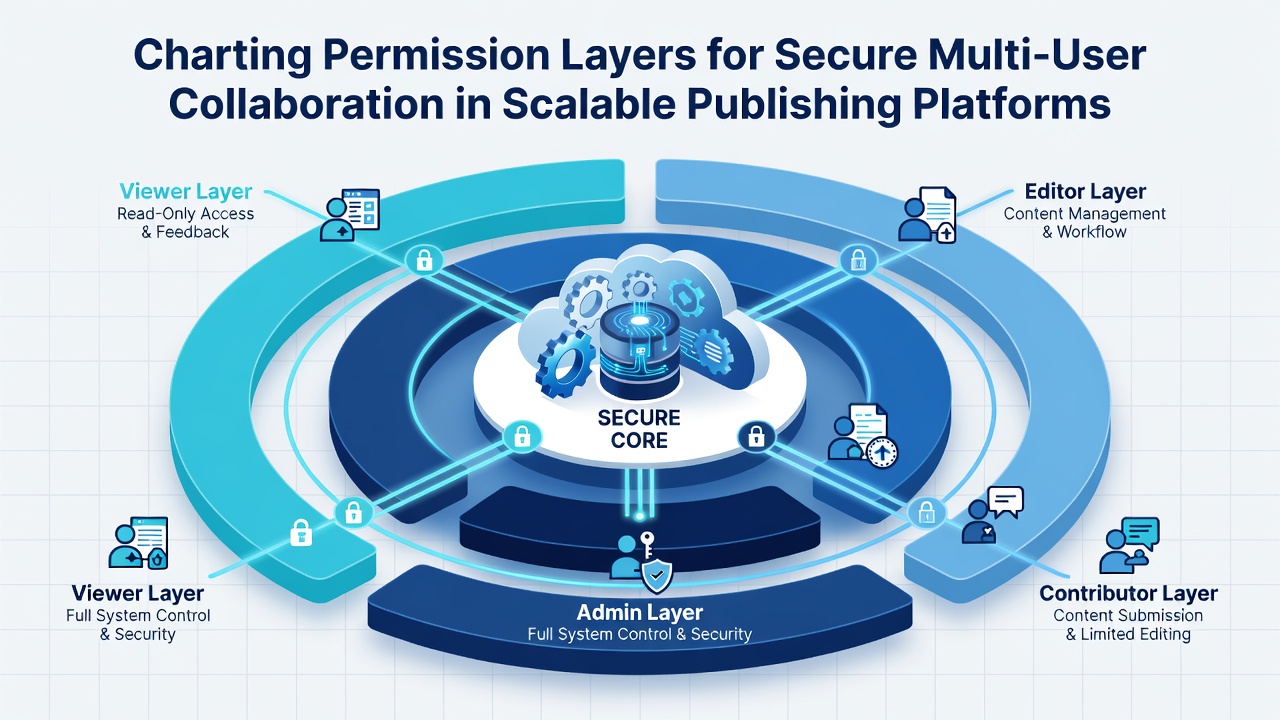
Platform architects often test these layers through simulated multi-user sessions that mimic real publishing deadlines. One documented case involved a media company that introduced granular review stages before final publication, and teh change eliminated several last-minute corrections that previously required emergency access grants.
Security and Compliance Integration
Secure multi-user environments must satisfy data protection requirements that differ by region. Platforms serving users across borders incorporate controls that satisfy both the EU's data governance frameworks and North American standards for information security. Links to official guidance from the European Union Agency for Cybersecurity and from NIST help administrators align technical settings with legal obligations without creating separate rule sets for each jurisdiction.
Audit logging forms another essential layer because it records who accessed what content and when. These logs become critical during investigations or regulatory inquiries, and they also help teams identify patterns that suggest permission creep over time. Data from industry reports indicates that regular log analysis leads to timely adjustments that keep systems aligned with actual workflow needs rather than outdated role assignments.
Scaling Across Growing User Bases
As publishing platforms expand, permission systems must accommodate thousands of users without performance degradation. Techniques such as permission caching and segmented policy evaluation allow quick decisions even when content repositories contain millions of assets. Observers note that platforms failing to optimize these processes often face slowdowns that frustrate contributors during high-volume periods.
Integration with identity providers further strengthens security by centralizing authentication while the publishing platform retains control over authorization layers. This separation lets organizations enforce single sign-on policies without exposing internal permission details to external services.
Conclusion
Charting permission layers requires ongoing attention to both technical capabilities and organizational realities. Teams that invest in clear role definitions, layered attributes, and continuous monitoring maintain secure collaboration environments that grow alongside their user communities. Regular reviews informed by usage data and regulatory updates keep these systems effective as publishing demands evolve.